
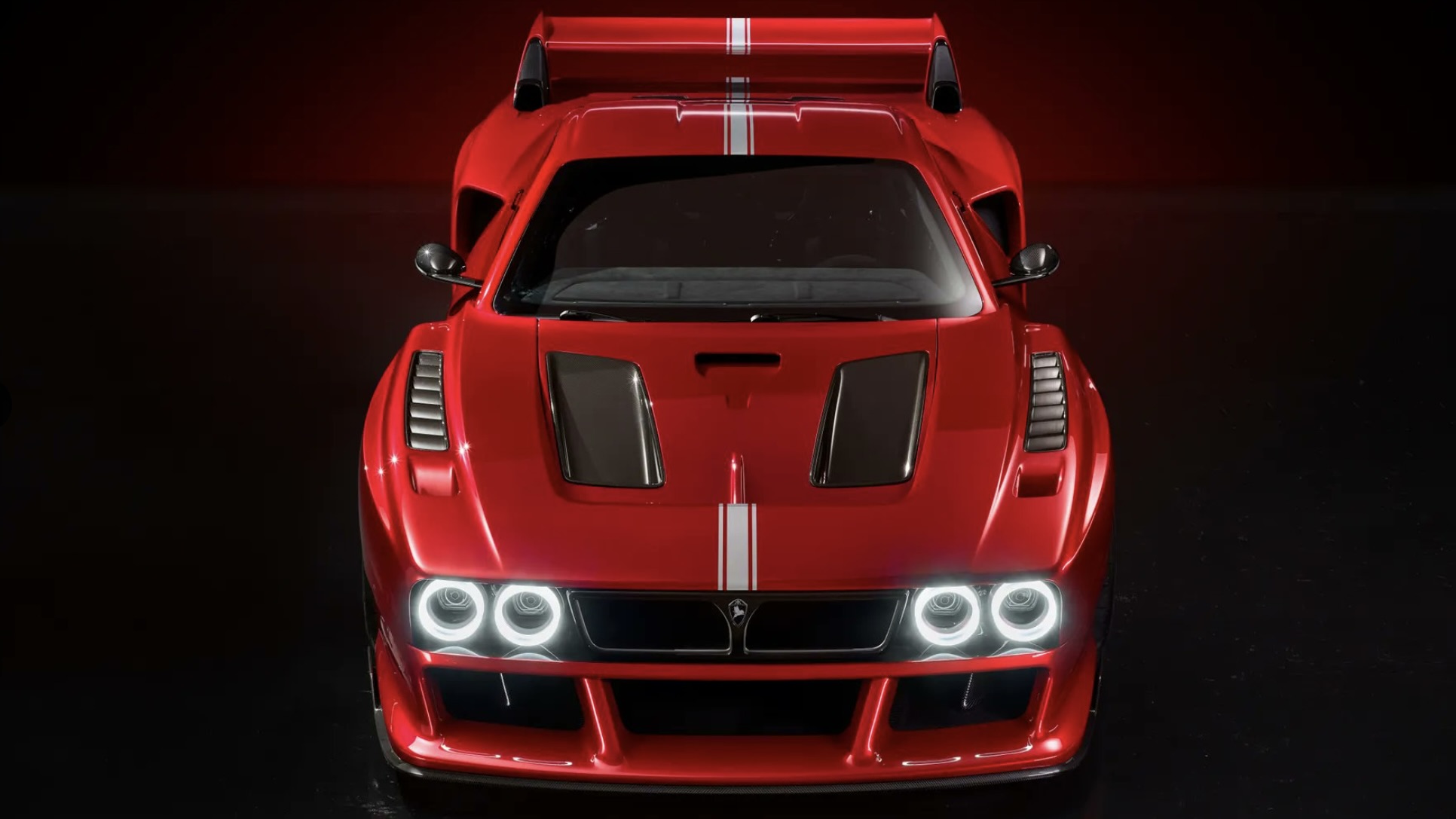
The Kimera K39 is here. Nearly 1,000 horsepower from a Koenigsegg twin-turbo V8. A seven-speed manual gearbox. Rear-wheel drive only. Carbon monocoque. Inspired by a 1981 endurance racer. Under 100 units. Already 20 sold before a working car exists. This is either the greatest hypercar of 2026 or a very elaborate cry for help. Possibly both.
Right. I want you to imagine a conversation that almost certainly happened in a small workshop somewhere in Italy, probably over very strong coffee, in which a man named Luca Betti turned to his engineering team and said the following: “You know what our next car needs? A Koenigsegg engine. A seven-speed manual gearbox. Rear-wheel drive. Nearly a thousand horsepower. Oh, and let’s base the design on a 1981 Lancia endurance racer that almost nobody has heard of.” And his team, rather than suggesting he have a lie down, nodded enthusiastically and went to call Sweden. This is the origin story of the Kimera K39. It is one of the best things I have read all year.
Let us establish some context. Kimera Automobili built its reputation, and a considerable amount of goodwill, on two previous cars: the EVO37 and the EVO38. Both were Lancia 037-inspired restomods that sent the internet into collective meltdown, both were exquisite, and the EVO37 won Top Gear’s Performance Car of the Year, which is not something a small Italian restomod specialist is supposed to be able to do. So what do you do after that? You apparently go to Koenigsegg, ask them for a bespoke version of their twin-turbocharged V8, design an entirely new carbon fibre monocoque, bin the all-wheel drive that the EVO38 had, specify a seven-speed manual gearbox as standard, and reveal it to the world on the shores of Lake Como. Calmly. As if this were a perfectly ordinary sequence of decisions.
It is not a perfectly ordinary sequence of decisions. It is magnificent.
“The K39 is exactly the kind of project that deserves something truly special: independent, emotional, technically ambitious and built with a clear sense of purpose.”
— CHRISTIAN VON KOENIGSEGG, ON WHY HE HANDED OVER THE ENGINE FROM HIS HYPERCAR COMPANY TO AN ITALIAN RESTOMODDER
THE ENGINE AND THE COLLABORATION NOBODY SAW COMING
The previous Kimeras used a 2.1-litre four-cylinder with both a turbocharger and a supercharger bolted to it, which was already a slightly unhinged approach to forced induction and produced 592 horsepower in the EVO38. The K39 dispenses with this arrangement entirely and replaces it with a 5.0-litre twin-turbocharged V8 sourced directly from Koenigsegg. Not inspired by one. Not similar to one. Literally from Koenigsegg, who built a bespoke version specifically for this car, fitted with smaller turbochargers for better throttle response, revised software, a new intake system, and designed to produce its 986 horsepower on ordinary 95 octane pump fuel. Because when you ring Christian von Koenigsegg and ask for an engine, the least you can do is make it accessible.
For context on what 986 horsepower in a 1,100-kilogram car with a manual gearbox and rear-wheel drive actually means: the standard Koenigsegg Jesko version of this engine is capable of almost 1,600 horsepower on E85 ethanol. Kimera and Koenigsegg have, through the application of smaller turbos and bespoke calibration, turned one of the most extreme powerplants on earth into something that functions on the kind of petrol you might put in a Ford Focus. This is either engineering genius or a very good joke. Possibly both. The shared badge the two companies designed together to mark the collaboration, which appears on the engine cover, is the kind of detail that makes enthusiasts go slightly glassy-eyed with happiness. The K39 effectively wears a Koenigsegg ghost on its engine cover. A small Italian company inspired by a Group B rally car has a Koenigsegg ghost on its engine cover. I need a moment.
THE MANUAL GEARBOX — AN ACT OF DELIBERATE PROVOCATION
In 2026, when every hypercar of note is fitted with a dual-clutch gearbox that changes gear in roughly the time it takes a hummingbird to blink, Kimera has specified a seven-speed Cima manual gearbox as standard on a car producing 986 horsepower. A sequential paddleshift transmission is being evaluated, but the manual comes first. This is not an accident. This is a statement. The statement is: we believe a car that makes you work for it is more interesting than a car that does everything for you, and we are prepared to put nearly a thousand horsepower through a clutch pedal to prove it.
The broader specification reinforces this philosophy in every direction. Carbon monocoque, yes. Inboard pushrod suspension front and rear, which is more commonly found on a Formula 1 car than a road car, absolutely. Pirelli P Zero Trofeo RS tyres on forged aluminium wheels. Steel brake discs as standard, because Kimera believes steel offers better feel and feedback than carbon ceramics, which are in the pipeline for those who want them. Target weight: 1,100 kilograms, identical to the EVO38, despite the K39 having approximately 400 more horsepower. The aerodynamics package has been developed with assistance from Dallara, who have had some small amount of relevant experience in making downforce. The whole package is, as Top Gear correctly observed, the kind of thing that makes you question whether any of the other hypercars currently on sale have really been trying.
THE DESIGN AND WHAT INSPIRED IT
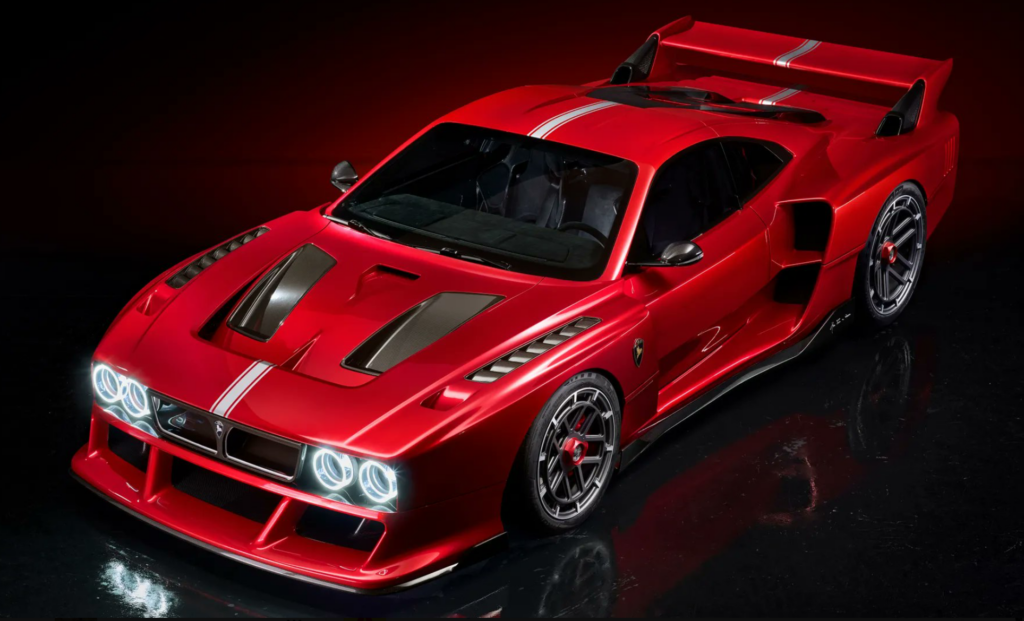
The EVO37 and EVO38 drew their design language from the Lancia 037 Group B rally car. The K39 goes one step further back in history to the 1981 Lancia Beta Montecarlo Turbo Group 5 silhouette racer, which was the technical predecessor to the 037 and which competed in endurance racing rather than rallying. The choice of a V8 engine, meanwhile, nods to the 1983 Lancia LC2, which was Lancia’s Le Mans contender and their answer to the dominant Porsche 956. Kimera is, in other words, not simply building a car. It is constructing a three-dimensional argument about the history of Italian motorsport, one component at a time, and the argument is extremely compelling.
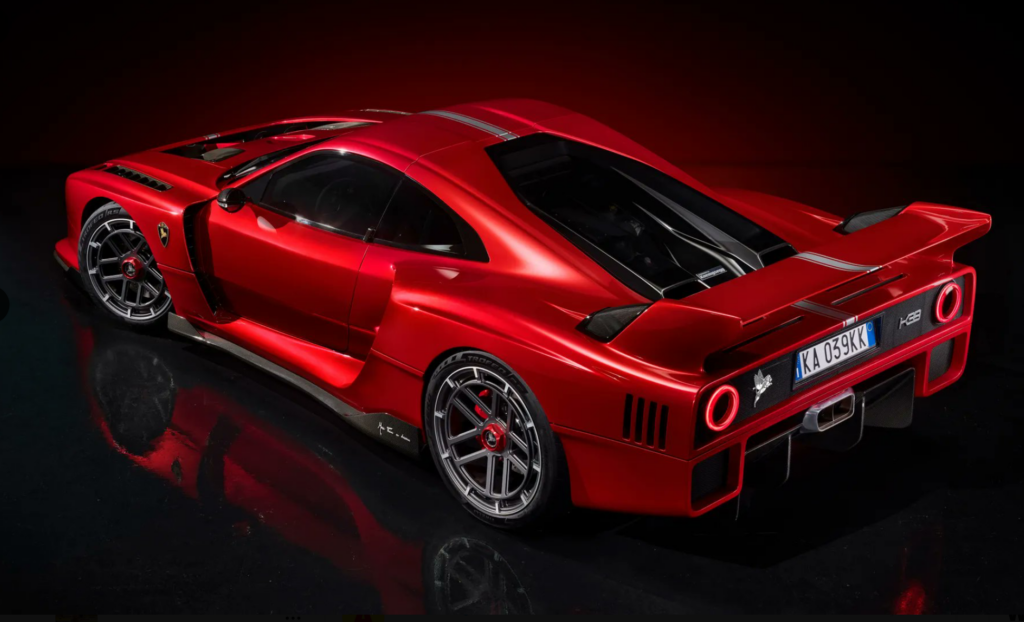
The body is all carbon fibre. The front features new headlights and a more sophisticated nose with improved aerodynamics. The sides are wider than the EVO38, with huge air intakes to feed the new engine, and the rear carries a proper diffuser, engine cover and rear wing. The Pikes Peak version, which is a separate proposition for the genuinely committed, takes all of this and adds a surfboard-sized front splitter, a roof scoop, new side skirts and a rear wing of such ambition that it should probably require planning permission. Ten of those will be built for track use only. Ten people have paid for the privilege of being on the receiving end of 986 horsepower with significantly more downforce than a road car needs. Good for them. Genuinely.
The Pikes Peak version, which is a different kind of problem entirely
THE PIKES PEAK VERSION, WHICH IS A DIFFERENT KIND OF PROBLEM ENTIRELY
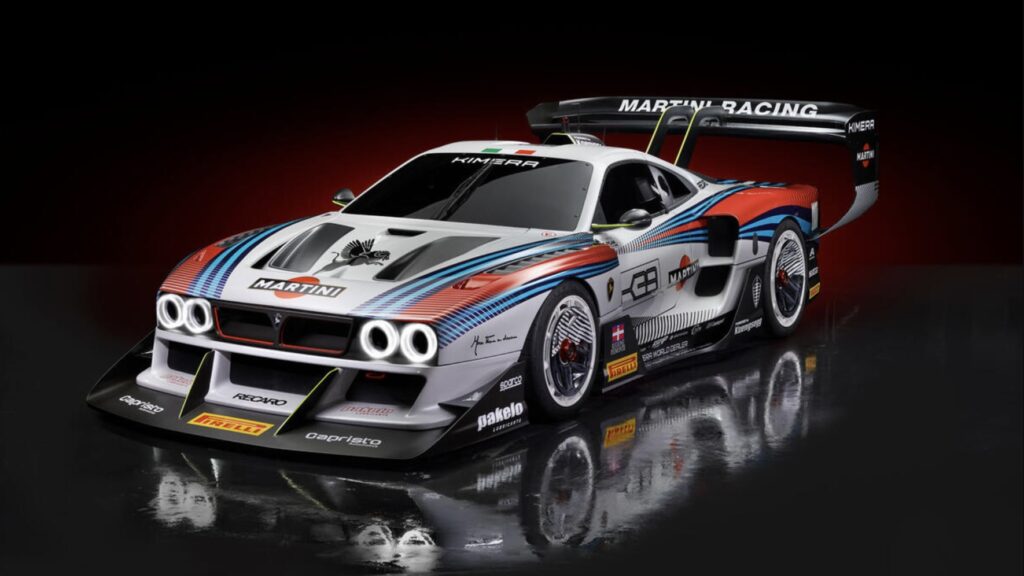
Ten people have also paid for the K39 Pikes Peak, which is the version Kimera builds when someone asks for more and they have completely run out of reasons to say no. The road car already has 986 horsepower, rear-wheel drive, no electronic safety nets worth mentioning and a manual gearbox. The Pikes Peak version takes all of that and adds a front splitter large enough to land a small aircraft on, a roof-mounted ram air intake, bespoke side skirts, new wing mirrors and a rear wing of such extraordinary ambition that it should probably require planning permission from the local council. It is track-only. It is limited to ten examples. Ten people have already said yes to it. Those ten people are either the bravest or the least sensible customers in the hypercar market today. Possibly both.
Kimera’s target is to run the K39 at Pikes Peak in 2027, though founder and CEO Luca Betti has acknowledged that timeline could shift given how much the company currently has on its plate. Given that the road car’s working prototype has not yet turned a wheel, this feels like a reasonable caveat. What is not in doubt is the intention: a small Italian company that started life building Lancia restomods now has genuine ambitions to attack one of motorsport’s most celebrated and most dangerous hillclimbs. In a car with a Koenigsegg engine. With a manual gearbox. Up a mountain. In Colorado.
Magnificent. Completely and utterly magnificent.
THE SMALL MATTER OF WHETHER IT ACTUALLY WORKS YET
Here is the thing, and it is worth stating clearly before the excitement becomes entirely uncontrollable. The cars shown at Villa d’Este are scale models. Not prototypes. Not pre-production cars. Scale models, presented for the world debut, because Kimera is a small company working very fast and the actual working car will be shown at Monterey Car Week in August. First deliveries are scheduled for early 2027. The production run will be somewhere between 50 and 100 examples, with around 20 already allocated before the official reveal, which is either a ringing endorsement of Kimera’s reputation or evidence that there are a remarkable number of people with £2 million and a fondness for Italian endurance racing heritage who are also comfortable buying a car before it has turned a wheel in anger.
Whether handing over approximately £2 million to a company that has only previously built restomods is wise is, as Top Gear put it, the relevant question. The answer, given how brilliant and robust and characterful the EVO37 and EVO38 have turned out to be, is almost certainly yes. Kimera has earned a level of trust that most manufacturers spend decades building, and they have done it in a handful of years. The K39 is a far bigger undertaking than anything they have attempted before. It is also, on current evidence, the most exciting hypercar project announced this year. That is a very large statement on a week that also produced the Brabus Bodo. It stands.
REVMAG VERDICT
A small Italian company inspired by Group B rally cars has obtained a bespoke Koenigsegg V8, put it in a carbon monocoque, sent the power exclusively to the rear wheels through a seven-speed manual gearbox, kept the weight to 1,100 kilograms, had Dallara sort out the aerodynamics, and revealed the whole thing at Villa d’Este before a working car even exists. Twenty people have already bought one. The price is around £2 million. It is the most exciting hypercar of 2026 and it cannot yet drive. When it can, it will be extraordinary. The seven-speed manual in a car with 986 horsepower and rear-wheel drive is either the best or worst idea in recent automotive history. We are absolutely certain it is the best. Absolutely. Completely. One hundred percent. We are not scared at all.
FREE EVERY FRIDAY
The Rev Report. The week in cars, in five minutes.
The Kimera K39, the Brabus Bodo, the Vision BMW Alpina and everything else from Como Car Week 2026 lands in this Friday’s Rev Report alongside all the other stories worth knowing about. Free, every Friday morning, straight to your inbox. No spam, no fluff, just the best of the week curated by the RevMag team.