
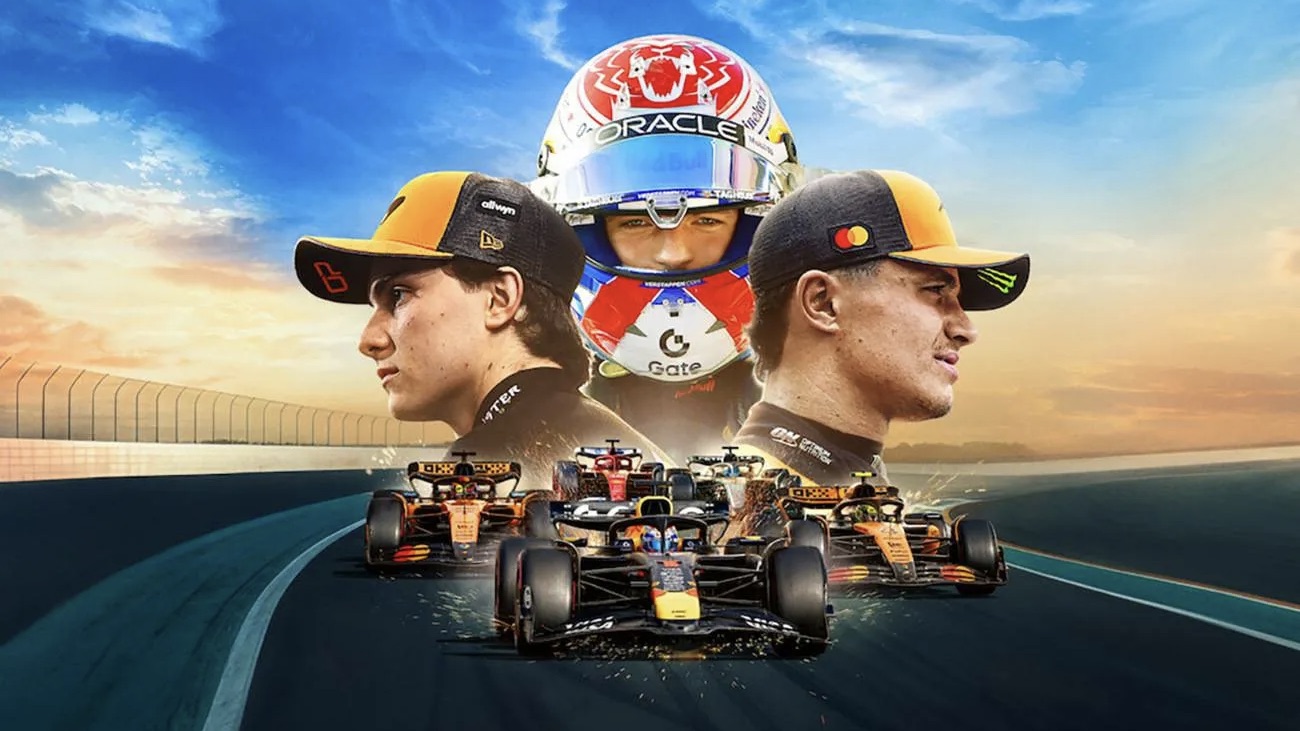
There are two types of people in the world: those who think Formula 1 is about tyre degradation strategy on lap 47… and those who watch Formula 1: Drive to Survive and understand that it’s really about egos, ambition and the occasional emotional implosion in a hospitality unit.
The latest season has landed on Netflix, and as ever, it takes the polished, PR-filtered universe of Formula 1 and gleefully pokes it with a very expensive camera.
Yes, there are racing cars. Very fast ones. Red Bull continue to operate like a ruthlessly efficient machine, with Max Verstappen dispatching rivals in a manner that suggests mild inconvenience rather than mortal combat. But this season isn’t really about who wins on Sunday. It’s about who’s fuming by Tuesday.
The real bombshell, of course, is Lewis Hamilton announcing he’s off to Ferrari for 2025. It’s the sort of paddock earthquake that makes engineers spill their flat whites. Mercedes look stunned. Ferrari look cautiously thrilled. The rest of the grid looks like it’s recalculating long-term life choices. And the cameras, naturally, are everywhere.
McLaren’s renaissance gets its moment in the spotlight, complete with rising confidence and the faint whiff of “we might actually be back.” Ferrari’s internal balancing act, hope versus historical self-sabotage, is given its usual dramatic treatment. Mercedes’ ongoing attempt to decode their own car provides enough existential tension to fuel several episodes.
What Drive to Survive does brilliantly, and occasionally mischievously, is remind you that Formula 1 is less a sport and more a travelling circus populated by hyper-competitive overachievers in fireproof underwear. The series leans into the personalities: team principals who operate like boardroom generals, drivers juggling confidence and doubt at 200mph, and the perpetual undercurrent of contract paranoia.
Visually, it remains gloriously over-the-top. Slow-motion sparks. Onboard chaos. Radio messages that sound like someone negotiating a hostage exchange. It’s slick, dramatic and occasionally theatrical, because frankly, Formula 1 already is.
Purists will grumble. They always do. But there’s no denying the show has transformed F1’s global reach, especially in the United States, turning what was once niche motorsport obsession into mainstream binge material.
In short, the new season doesn’t just document Formula 1. It dramatises it, exaggerates it slightly, and then hands it back to you with a grin. And whether you’re here for the racing or the rivalry, one thing is certain: it’s still very fast, very loud, and very entertaining indeed.